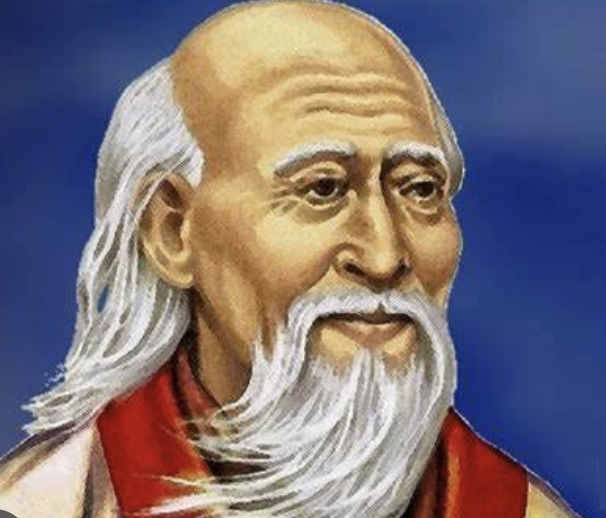
Lao Tzu
Laozi (often known as Lao Tzu), traditionally dated to the 6th century BCE, is the legendary author of the Tao Te Ching, a foundational text of Taoist philosophy. Though his historical existence is debated, the ideas attributed to him have profoundly shaped Chinese thought and influenced political philosophy worldwide.
Laozi’s utopian vision centers on non-coercive order and effortless harmony. He imagines small, self-sufficient communities where people live simply, without ambition or domination, and where social balance arises naturally rather than through laws or force. While not an anarchist in the modern sense, his skepticism toward authority and belief that the best governance is minimal or invisible have made him a powerful philosophical ancestor to anarchist thought.