Anarchist-Utopian Academic Essays
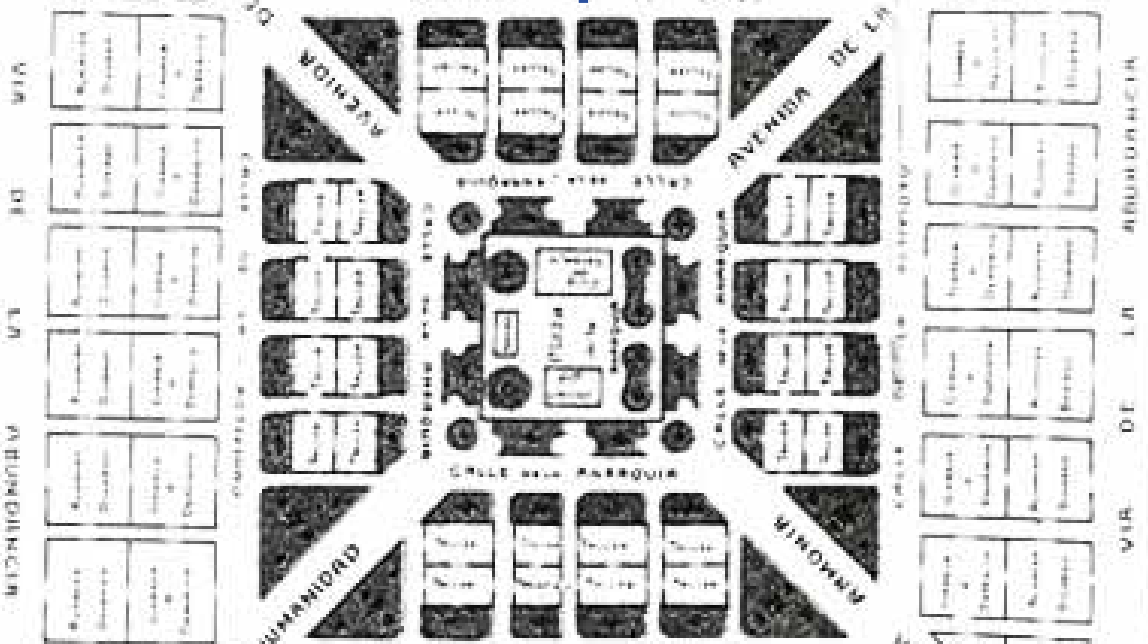
The Anarchist City of America: Libertarian Utopias in the New World
by Santiago Juan-Navarro
For Europeans and Americans alike, the New World contains the two basic ingredients for the creation of Utopia: space and time, or in other words, a place in which the utopia can be founded, and a history endowed with a past in need of recovery or a future in which to project itself. America allowed for the objectification of the abstract utopian dreams ot Antiquity and the Middle Ages by providing a real place for the imagining subject in a process of mutual recognition, a predisposition that would survive for centuries.
CONTINUED HERE
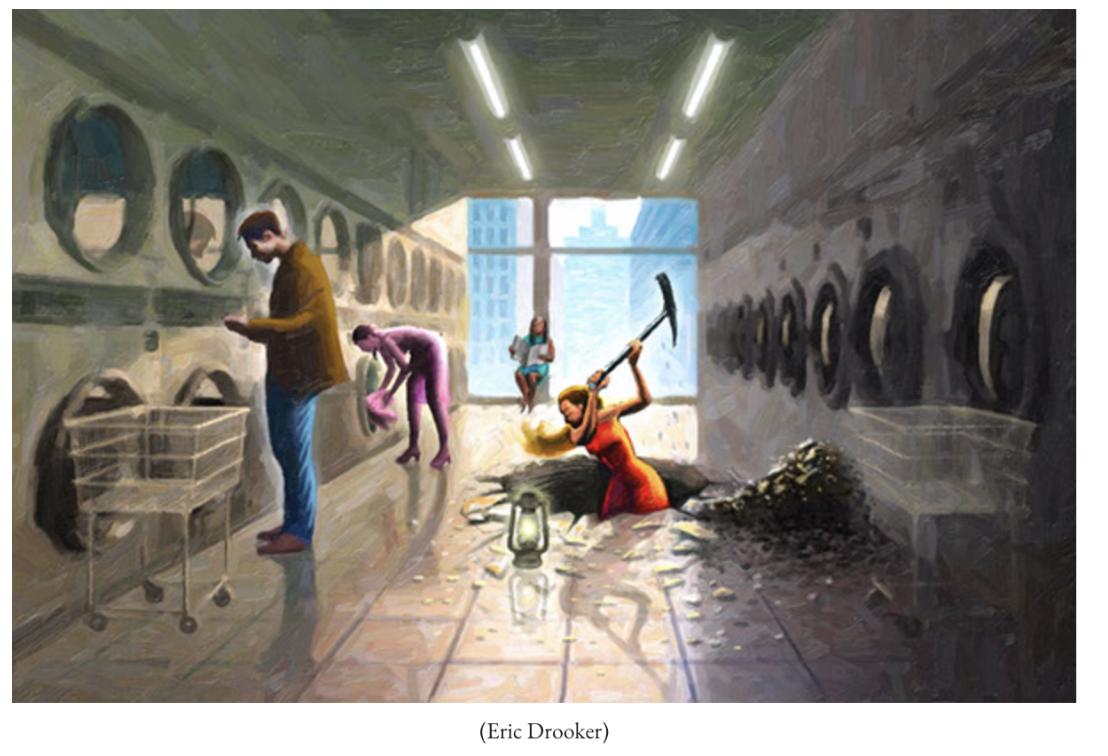
Anarchism and Utopia
by Peter Seyferth
Anarchism is an action-oriented ideology directed against all forms of domination. It is also the "most utopian of ideologies" (Williams 2007: 31 0), but does anarchism need literary utopias, fictional depictions of what anarchy would be like? First, in this chapter, a basic usefulness of knowing your goal is claimed. Then, utopia is defined as exactly this "knowing," even if it is actually more of a "desiring."
CONTINUED HERE
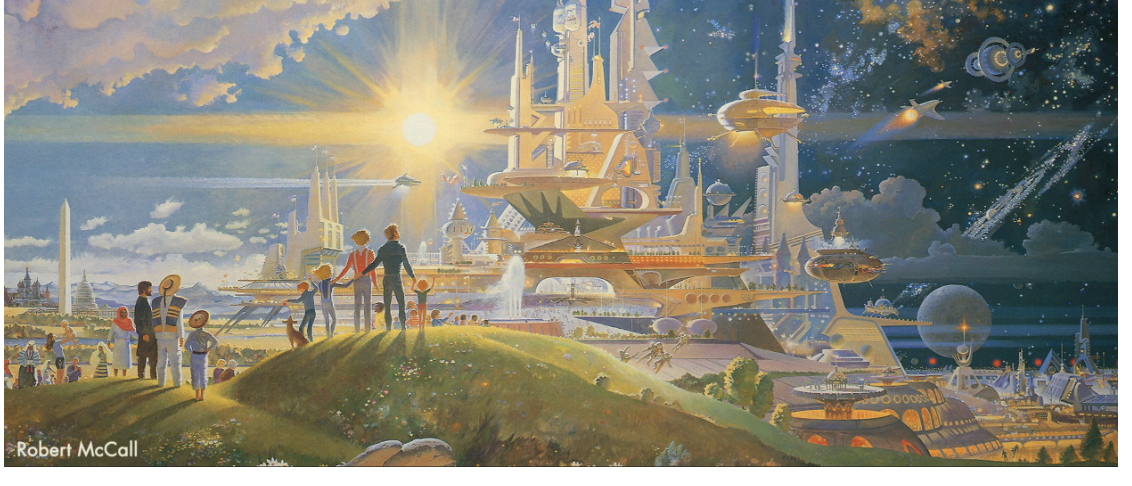
Anarchē and Outopos: On Anarchist Utopianism
by John Clark
Beneath the world of domination lies another World, a World of beauty, goodness, and abundance. As the Daodejing (perhaps the world’s first recorded utopia of liberation) stated almost two and a half millennia ago: “Heaven and Earth combine to drip sweet dew. Without the command of Man, it drips evenly over all.” This work tells us that without this command (archē) of man (exemplified by the patriarchal and feudal forms of domination that had already emerged), we can live in a World in which, as the work says, “nothing is done, yet all is taken care of.” This is the World free from domination, the World that gave birth to us and to all terrestrial beings.
CONTINUED HERE
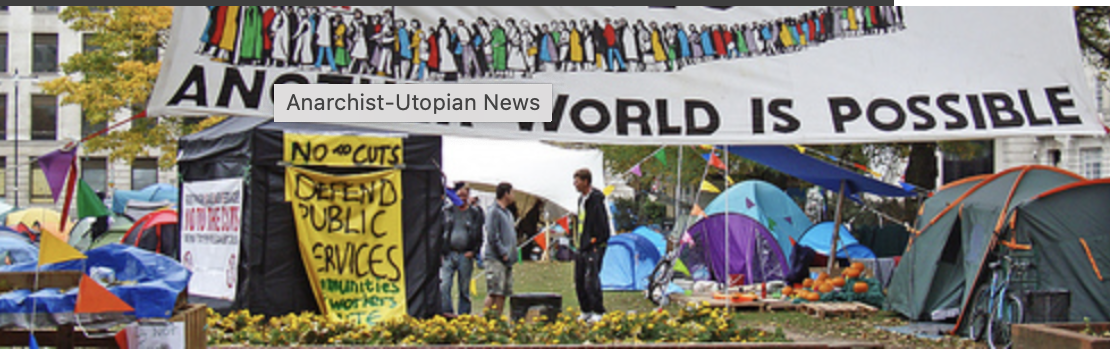
Utopianism and anarchism.
by Carissa Honeywell
Key utopian ideas are transmitted by writers working in the anarchist traditions [like] Paul Goodman and Colin Ward… Their utopian approach to social change supports firstly an agency-centred vision of freedom… CONTINUED HERE